
About SPPEL
Scheme for Protection and Preservation of Endangered Languages
Initiated in 2013 by the Ministry of Education, Government of India, the Scheme for Protection and Preservation of Endangered Languages (SPPEL) is a pioneering initiative housed at the Central Institute of Indian Languages (CIIL), Mysuru. The scheme is dedicated to safeguarding India's diverse linguistic heritage by comprehensively documenting, archiving, and revitalizing endangered and lesser-known mother tongues, particularly those spoken by fewer than 10,000 people.
By developing vital resources such as grammatical sketches, bilingual and trilingual dictionaries, pictorial glossaries, and detailed ethno-linguistic profiles, SPPEL bridges critical gaps in language documentation. With 117 languages prioritized across six geographical zones in its initial phase, the scheme plays a pivotal role in training linguists, promoting digital archiving, and fostering community collaborations to ensure the survival of the country's most vulnerable languages.
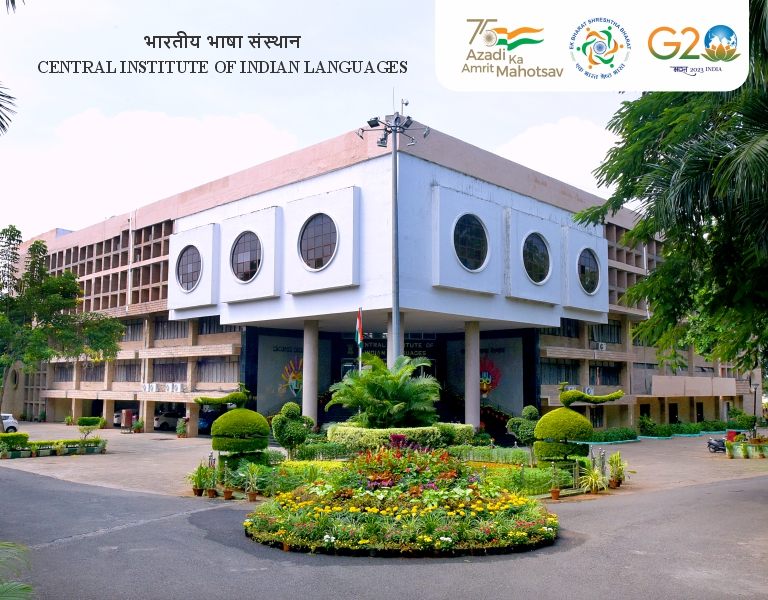
Protecting India's Rich Linguistic Heritage
The Scheme for Protection and Preservation of Endangered Languages was instituted to safeguard languages spoken by fewer than 10,000 speakers, ensuring their unique systems, vocabularies, and oral traditions are documented for future generations.
- Grammar, Dictionary, and Ethno-Linguistic profiles
- Collaborations with top universities nationwide
- Community-driven archiving and revitalisation
Mission & Vision
Our Mission
Every passing day, languages across the world are becoming endangered. In India alone, the perilous situation of languages spoken by lesser known tribal communities is alarming. Language endangerment is followed by language extinction — once a language is extinct, the world view and traditional knowledge embedded in it perishes too.
Saving and preserving through digital documentation and archiving of these endangered languages of the country is the mission of SPPEL.
Scientific documentation using modern linguistic methodologies
Community-driven language revitalisation programs
Our Vision
A linguistically rich India where every endangered language is documented, accessible, and celebrated — fostering pride in India's multilingual heritage among communities, scholars, and future generations worldwide.
SPPEL envisions a future where linguistic diversity is not merely preserved in archives, but actively celebrated as a living heritage — empowering communities to reclaim and transmit their mother tongues across generations.
Create accessible state digital archives nationwide
Foster international collaboration in linguistic research
Background & History
Genesis of SPPEL
Galvanized by the grim situation of lesser known languages, SPPEL was instituted by the Ministry of Education, Government of India in 2013.
The scheme is monitored by the Central Institute of Indian Languages (CIIL), Mysuru, collaborating with universities across India to deploy field researchers.

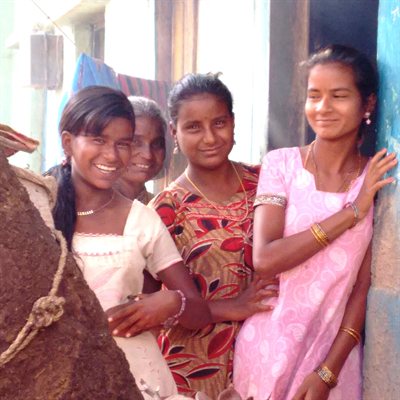

documentation
Across India
Documentation Criteria
Languages spoken by fewer than 10,000 speakers, or languages not previously studied linguistically, are considered for documentation under this scheme.
Three-pronged documentation approach
Grammatical
Complete grammatical analysis and linguistic structure documentation of each language.
Dictionary
Comprehensive lexicography with meaning-yielding bilingual dictionary entries.
Ethno-Linguistic Profiles
Cultural context, oral traditions, and sociolinguistic documentation of communities.
Key Objectives
Documentation
Comprehensive documentation of endangered languages through scientific methods.
Digital Archiving
Create accessible digital repositories for linguistic data and cultural heritage.
Community Engagement
Empower native speakers and communities in preservation efforts.
Global Collaboration
Partner with international organizations for language preservation.
SPPEL Timeline
Over a decade of dedicated work in language preservation
Scheme Launched
SPPEL initiated by CIIL under Ministry of Education.
Field Surveys Begin
Systematic surveys across all 6 linguistic zones and 28 states.
117 Languages
Comprehensive documentation of 117 languages achieved.
100+ Resources
Grammar, dictionary and ethno-linguistic profiles completed.
Community Programs
Community-driven revitalisation programs launched.
Bhasha Sanchika
Digital repository established for audio-visual recordings.
Website Relaunched
Relaunch of the new, redesigned SPPEL website with enhanced digital resources, alongside the relaunch of Bhasha Sanchika.
Organizational Structure
Frequently Asked Questions
SPPEL stands for Scheme for Protection and Preservation of Endangered Languages. It is a scheme by the Central Institute of Indian Languages (CIIL) under the Ministry of Education, Government of India, launched in 2013.
SPPEL has documented 117 endangered languages across India, spanning 6 linguistic zones and 28 states and union territories.
Bhasha Sanchika is SPPEL's digital repository containing grammar archives, bilingual dictionaries, audio-visual recordings, and linguistic research accessible at sanchika.ciil.org.
Researchers, linguists, and community members can contribute by participating in field surveys, submitting recordings to Bhasha Sanchika, or attending SPPEL training workshops.
The six zones are Northern Zone, North-East Zone, East Central Zone, West Central Zone, Southern Zone, and Andaman & Nicobar Zone — each covering specific states and language families.